
 0
0
 0
0
Introduction: The Growing Risks Facing Digital Wallet Users
E-wallets have transformed how people manage money, offering convenience, speed, and accessibility across digital transactions. From online shopping to peer-to-peer payments, digital wallets are now deeply embedded in everyday financial activity. However, this widespread adoption has also attracted increasing attention from cybercriminals. As more users rely on e-wallets for daily payments, scammers continue to develop sophisticated methods to exploit vulnerabilities and user behavior.
Unlike traditional banking fraud, e-wallet scams often rely on deception rather than technical breaches. Fraudsters manipulate trust through phishing messages, fake platforms, and social engineering tactics designed to trick users into revealing sensitive information. These scams can result in immediate financial losses, often with limited recovery options.
Understanding how these scams operate is essential for digital wallet users. Awareness, combined with preventive habits, plays a critical role in reducing risk. As online financial activity grows, protecting digital assets requires not only secure platforms but also informed and vigilant users.
Common Types of E-Wallet Scams Targeting Users
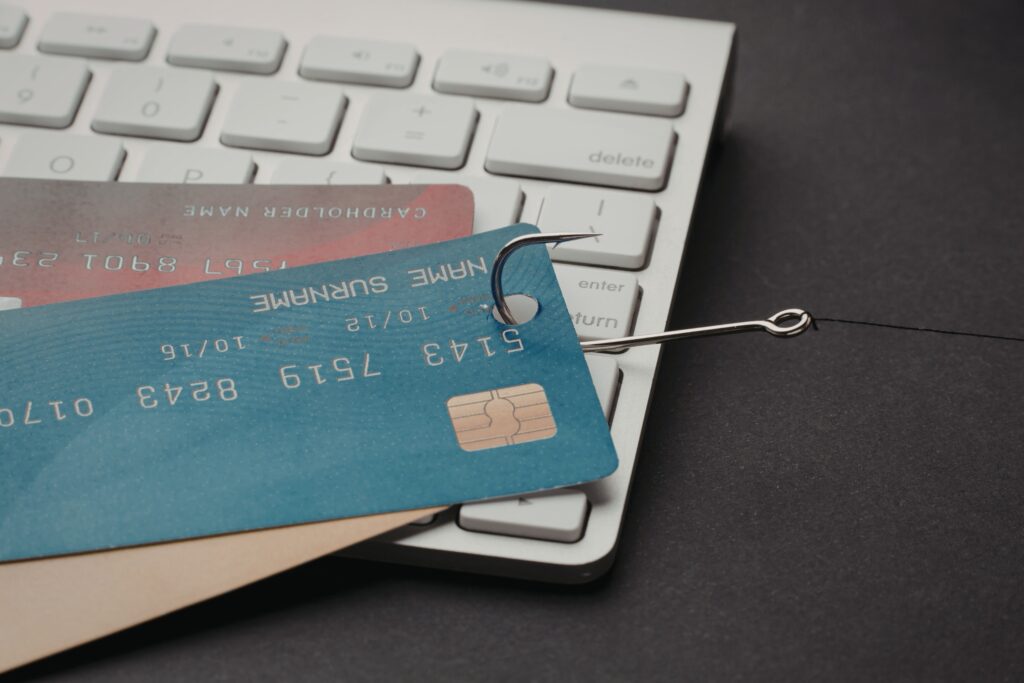
Online scams targeting e-wallet users take many forms, each designed to exploit convenience and speed. One of the most prevalent methods is phishing, where scammers send messages that appear to come from legitimate wallet providers. These messages often claim account issues, suspicious activity, or urgent verification requests to pressure users into clicking malicious links.
Another common tactic involves fake promotions or refunds. Users may receive offers promising cashback, rewards, or refunds in exchange for providing login credentials or one-time passwords. These scams often mimic real marketing campaigns, making them difficult to identify. Once access is granted, funds can be transferred instantly.
Impersonation scams are also widespread. Fraudsters pose as customer support representatives, merchants, or even acquaintances requesting emergency transfers. Because e-wallet transactions are typically irreversible, victims often realize the scam only after funds are gone. These techniques show why digital wallet fraud prevention depends as much on spotting deception as it does on trusting the platform.
How Scammers Exploit User Behavior and Urgency
Scammers rely heavily on urgency and emotional triggers to succeed. Messages often include phrases such as “account suspension,” “unauthorized access,” or “limited-time action required.” These tactics discourage users from taking time to verify information before responding. In fast-paced digital environments, even cautious users may act impulsively.
Another exploited behavior is familiarity with digital transactions. Frequent e-wallet users may become desensitized to notifications and routine prompts, making them more vulnerable to subtle scams. Fraudsters design messages that closely resemble legitimate alerts, including logos, formatting, and tone.
Understanding these behavioral patterns is essential within broader online financial security awareness. By recognizing how urgency and trust are manipulated, users can slow down decision-making and verify requests through official channels. Education remains one of the strongest defenses against social engineering-based scams.
The Role of Technology in Scam Prevention
While scammers continuously evolve their methods, technology also plays a critical role in protecting e-wallet users. Many digital wallet providers implement multi-factor authentication, transaction alerts, and behavioral monitoring systems to detect suspicious activity. These features significantly reduce unauthorized access when used correctly.
Device security also matters. Updated operating systems, secure passwords, and trusted networks reduce exposure to malware and unauthorized access attempts. Users who neglect device maintenance increase their vulnerability, even if wallet platforms themselves are secure.
Guidance from a trusted digital finance resource often emphasizes that security tools work best when users understand what they do, enable them properly, and pair them with careful habits during everyday transactions.
Practical Habits That Reduce Scam Exposure
Consistent habits significantly lower the risk of falling victim to e-wallet scams. Verifying sender identities before responding to messages is a critical first step. Official wallet providers rarely request sensitive information through unsolicited messages. When in doubt, users should access accounts directly through official apps or websites.
Avoiding public Wi-Fi for financial transactions adds another layer of protection. Unsecured networks increase exposure to data interception and malicious activity. Additionally, users should enable real-time transaction notifications to detect unauthorized activity immediately.
Skepticism remains a practical skill in digital finance. Treating unexpected requests with caution, refusing to share one-time codes, and double-checking payment links can prevent irreversible losses. Small behavioral adjustments often provide substantial protection.
Regulatory Awareness and Consumer Responsibility
Financial authorities and e-wallet providers continue to strengthen regulations and security standards. However, regulations alone cannot fully protect users from scams that rely on deception rather than technical breaches. Consumer awareness remains a central pillar of financial safety.
Users benefit from familiarizing themselves with wallet provider policies, dispute processes, and official communication channels. Knowing what legitimate communication looks like makes fraudulent attempts easier to identify. Reporting suspicious activity promptly also helps providers improve detection systems.
As digital finance becomes more embedded in daily life, the responsibility for safety becomes shared. Platforms provide tools and safeguards, while users apply judgment and caution. This shared approach supports long-term trust in digital payment systems.
Conclusion: Staying Informed in an Evolving Digital Finance Landscape
E-wallet scams represent a growing challenge in the digital finance ecosystem, driven largely by social engineering rather than technological failure. As scammers refine their tactics, users benefit from staying informed, cautious, and proactive. Understanding common scam methods, recognizing behavioral triggers, and adopting protective habits significantly reduce vulnerability. Technology provides strong security tools, but awareness remains the final line of defense. By verifying information, maintaining secure devices, and avoiding impulsive actions, e-wallet users can protect their financial assets more effectively. Education and vigilance support long-term digital financial resilience, especially as scams become more convincing and widespread across messaging platforms and online marketplaces. Staying protected is not about fear; it is about knowledge, preparation, and responsible engagement with everyday digital payments.


